Tag: https://boss29.news

Chance Driven Reward Features That Add Depth To...
Modern video games rely on complex design strategies to transform basic gameplay into layered, engaging experiences. Among these design choices, integrating elements of chance into reward mechanisms has proven effective for maintaining long-term player interest. By introducing variable outcomes to routine actions, game creators build dynamic environments where every session offers unique possibilities.
The Strategic Value of Probabilistic Rewards
Incorporating chance into reward distribution introduces strategic variety that static progression systems cannot match. Players are encouraged to adapt their tactics based on unpredictable results rather than following a rigid path. This flexibility makes routine tasks feel meaningful and keeps players actively thinking about their choices.
Furthermore, unpredictable incentives heighten emotional investment by creating genuine moments of suspense. The anticipation of revealing an outcome adds a layer of excitement that enriches overall engagement. When designed thoughtfully, these mechanics turn simple accomplishments into memorable milestones.
Enhancing Player Autonomy and Exploration
Randomized incentives encourage players to venture outside their comfort zones and explore different gameplay paths. When rewards vary across different activities, players naturally experiment with novel strategies and game modes. This curiosity leads to a deeper understanding of the game world and its underlying systems.
Exploration driven by variable outcomes also prevents the gameplay loop from becoming predictable or repetitive. Players who wish to keep up with industry trends often search for a reliable boss toto link to access recent news and analysis. By continually offering fresh incentives, developers ensure that players remain motivated to discover new challenges.
Balancing Randomness with Skillful Play
A common challenge in game design is balancing randomized elements with skill-based progression. Over-reliance on probability can make accomplishments feel unearned, while too little variation can cause interest to stagnate. Successful titles resolve this by using chance as a catalyst for new opportunities rather than a replacement for effort.
By pairing probability mechanics with guaranteed progression thresholds, designers create a fair environment. Players feel reassured that their time investment produces tangible results, even when secondary rewards rely on luck. This equilibrium fosters trust and promotes long-term satisfaction.
Sustaining Audience Engagement Over Time
Variable reward schedules play a vital role in extending the longevity of digital games. Because outcomes change continuously, no two gaming sessions unfold in the exact same manner. This built-in variety preserves the novelty of core mechanics far longer than fixed reward tables.
Ultimately, chance-driven reward features add substantial depth to modern interactive media. By weaving elements of surprise into structured goals, developers craft rich experiences that keep audiences returning. As game design continues to advance, refined probability systems will remain central to compelling digital entertainment.
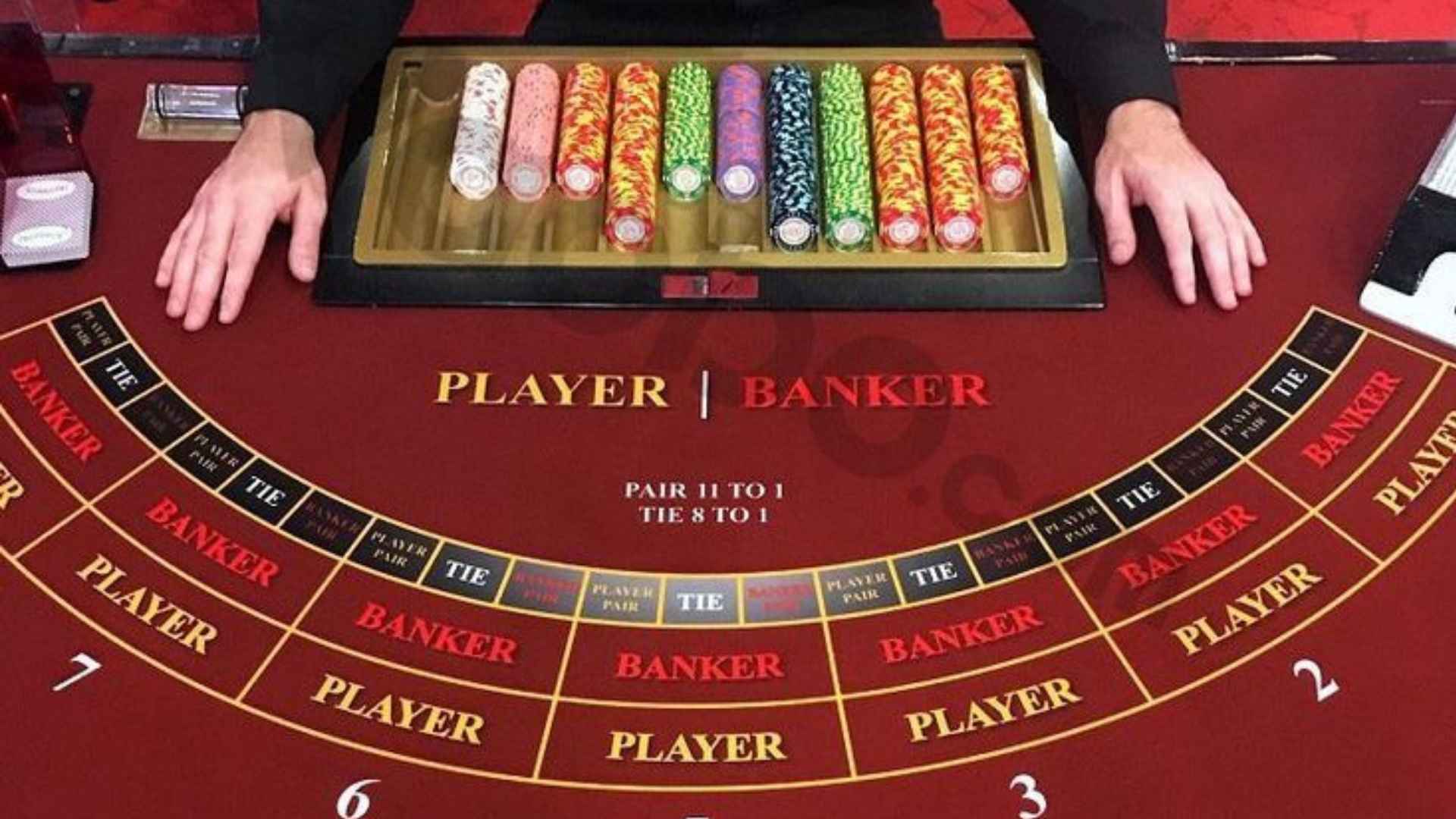
Understanding Auction Leadership In Bridge
In contract bridge, winning the auction is not merely about outbidding your opponents, but about establishing control over the bidding sequence. Auction leadership refers to the strategic advantage gained by directing the pace, level, and direction of the bidding. Players who master this concept can steer their partnership toward optimal contracts while making it difficult for the opposing side to communicate effectively.
The Core Principles of Taking the Initiative
Establishing leadership early in the auction requires a clear evaluation of hand strength and suit length. When a player makes an aggressive or descriptive opening bid, they immediately set the boundaries of the discussion. This proactive stance forces the opposing team into a defensive posture where they must calculate higher risks to enter the bidding.
Maintaining initiative also depends on disciplined partnership communication. By using standard conventions and precise responses, the leading player can convey detailed information without overextending their contract. This balance ensures that control is maintained without sacrificing safety or accuracy at the table.
Disrupting Opponent Communication
One of the primary benefits of auction leadership is the ability to consume valuable bidding space. Preemptive bids and jump raises prevent opponents from exchanging low-level information about their suit holdings. When space is limited, opponents are often forced to make educated guesses rather than calculated decisions.
For enthusiasts analyzing strategic systems or exploring gaming options, visiting a boss toto link offers useful insights into competitive tactical planning. Applying competitive pressure in bridge forces opposing pairs to make mistakes under time and space constraints. Over time, consistent disruption significantly lowers the scoring efficiency of the opposing partnership.
Captaincy and Decision Making in Bidding
In every bridge partnership, one player usually assumes the role of captain based on the information revealed during the auction. The captain is the player whose hand is unlimited or unknown to the opponent, giving them the sole authority to place the final contract. Recognizing when to take on this leadership responsibility is vital for reaching successful game or slam contracts.
When one partner limits their hand through a specific bid, the other partner must take complete charge of the auction's direction. The leader must evaluate the combined potential of both hands and decide whether to invite, push forward, or sign off. Clear division of captaincy prevents mixed signals and eliminates costly bidding misunderstandings.
Evaluating Risk and Reward Under Pressure
Effective auction leadership requires an ongoing assessment of vulnerability and score potential. Pushing an auction too high simply to maintain control can result in severe penalties if the contract fails. Skilled players continually weigh the benefits of controlling the bid against the risks of being doubled by alert defenders.
Ultimately, successful auction leaders know when to assert dominance and when to yield gracefully. By combining tactical aggression with accurate hand evaluation, players can control the flow of the game while minimizing unnecessary errors. Developing this judgment elevates a pair's overall performance and long-term tournament results.